Yazi HIV information platform

Learn About HIV

Reliable information to help you understand HIV, prevention, testing, treatment, and healthy living.

Illustration of HIV virus cells

HIV Basics

What is HIV?

HIV stands for Human Immunodeficiency Virus. It attacks the immune system, especially CD4 cells, making it harder for the body to fight infections over time.

  • A person can have HIV for years without obvious symptoms.
  • Early testing helps people get care before the immune system is badly weakened.
  • With treatment, many people living with HIV can stay healthy and active.
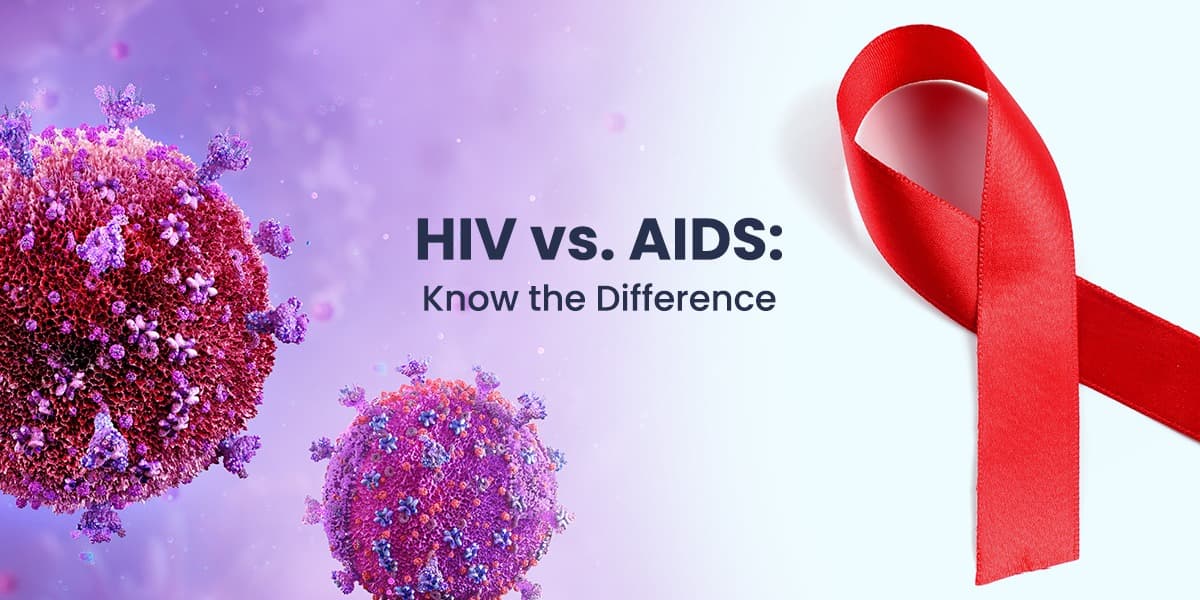
Educational graphic comparing HIV and AIDS

HIV vs AIDS

What is the difference between HIV and AIDS?

HIV is the virus. AIDS is the most advanced stage of HIV infection, when the immune system has become severely damaged.

  • You cannot have AIDS without first having HIV.
  • Not everyone with HIV develops AIDS, especially when treatment is started and continued.
  • Untreated HIV can progress slowly, often over many years.
HIV transmission education graphic

Transmission

How does HIV spread?

HIV spreads through specific body fluids such as blood, semen, vaginal fluids, rectal fluids, and breast milk when they enter another person's body.

  • Common routes include unprotected sex and sharing needles or syringes.
  • HIV does not spread through handshakes, hugs, sharing food, or casual contact.
  • Stigma often grows from myths, so clear facts matter.
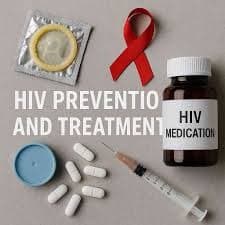
HIV treatment and prevention awareness graphic

Prevention

How can HIV be prevented?

Prevention works best when people combine accurate information, safer sex, testing, and medical prevention options when needed.

  • Use condoms correctly and consistently during sex.
  • Never share needles or syringes.
  • PrEP can help people at higher risk prevent HIV before exposure.
  • PEP is emergency medicine after possible exposure and should be started within 72 hours.
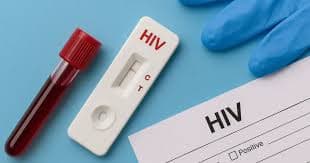
HIV test kit and blood sample

Testing

Why does HIV testing matter?

Testing is the only reliable way to know your HIV status. Symptoms alone are not enough because some people feel well for a long time.

  • Test after possible exposure, when starting a new relationship, or as advised by a health worker.
  • A negative result may need repeat testing if exposure was recent.
  • A positive result is the start of care, support, and treatment, not the end of hope.
Antiretroviral therapy education graphic

Treatment

How is HIV treated?

HIV is treated with antiretroviral therapy, often called ART. ART lowers the amount of virus in the body and protects the immune system.

  • Taking ART every day as prescribed is important.
  • Treatment helps prevent HIV from progressing to AIDS.
  • When viral load becomes undetectable and stays that way, HIV is not sexually transmitted. This is known as U=U.
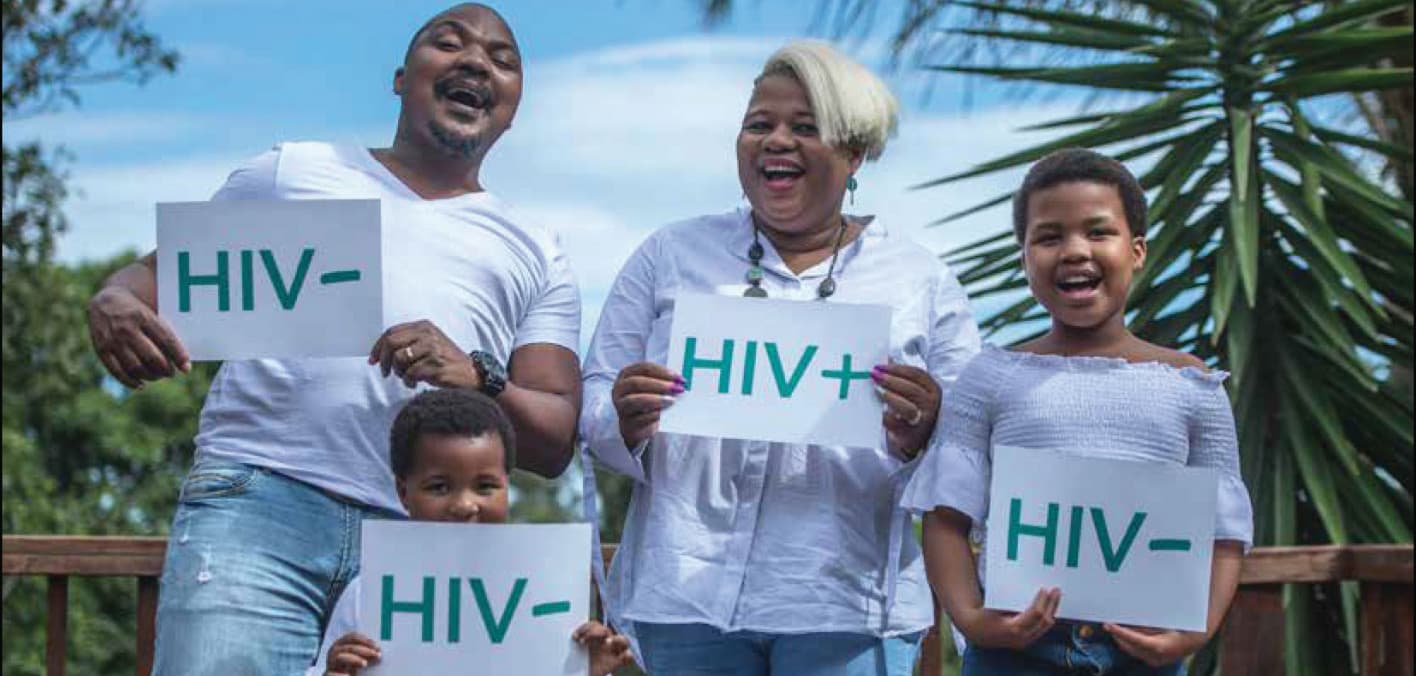
People living with HIV awareness resource

Living With HIV

What symptoms should I not ignore?

Some people have flu-like symptoms early on, while others have no symptoms for a long time. Frequent illness or possible exposure should be discussed with a health worker.

  • Possible symptoms include fever, fatigue, sore throat, swollen glands, night sweats, rashes, or mouth sores.
  • Symptoms alone cannot confirm HIV, so testing matters.
  • Support, treatment, good nutrition, and mental wellbeing all help people live well.

Practical next steps

Know what to do and when to ask for help

After possible exposure

Ask a clinic or qualified health worker about PEP as soon as possible. It works best when started within 72 hours and is taken for 28 days.

Before ongoing risk

PrEP may be recommended for people who do not have HIV but have a higher chance of exposure. A health worker can advise if it is right for you.

When symptoms appear

Do not rely on symptoms alone. Get tested and speak with a health worker, especially after possible exposure or repeated illness.

HIV myths vs facts

Replace stigma with trustworthy facts

Myth: You can get HIV from a handshake.

Fact: HIV cannot be spread through casual contact such as handshakes, hugs, or sharing a classroom.

Myth: Only certain people need HIV testing.

Fact: Anyone who may have been exposed can benefit from testing. Knowing your status helps you make informed health decisions.

Myth: HIV and AIDS are the same thing.

Fact: HIV is a virus. AIDS is the most advanced stage of HIV infection, and treatment can help prevent progression.

Myth: Treatment does not make much difference.

Fact: ART helps people living with HIV stay healthy and can reduce the amount of virus in the body to undetectable levels.

Ask Yazi