Understanding the 'Window Period'
The window period is the time between potential exposure to HIV and when a test can reliably detect it. During this period, a person may have HIV and be highly infectious, but the test will return a negative result because the target markers haven't built up enough to be detected.
If you take an HIV test during the window period and get a negative result, you must take another test after the window period is over to confirm your status. Window periods differ depending on the type of test used.
The Three Types of HIV Tests
Healthcare providers use three general categories of tests to screen for and diagnose HIV:
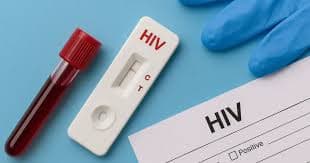
- Antibody Tests: These look for antibodies that your body's immune system produces in response to an HIV infection. Most rapid finger-prick tests and oral fluid tests are antibody tests. The window period is typically 23 to 90 days after exposure.
- Antigen/Antibody Tests: These detect both HIV antibodies and antigens (specifically p24, a protein that is part of the virus). Because antigens are produced before antibodies develop, these tests can detect HIV earlier. A laboratory blood test (drawing blood from a vein) can detect HIV 18 to 45 days after exposure.
- Nucleic Acid Tests (NAT): These look for the actual virus in the blood. They can detect HIV the earliest, usually within 10 to 33 days after exposure. However, NATs are very expensive and are not used for routine screening unless you have had a recent high-risk exposure.
What to Do If a Test Is Negative
A negative result means the test did not find evidence of HIV. If your last potential exposure was outside the window period, you can be confident in a negative status.
If you have had a recent exposure within the window period, you should schedule a follow-up test. You should also consider using prevention methods like PrEP or condoms to stay negative.
What to Do If a Test Is Positive
A positive result indicates that markers of HIV were detected. A laboratory confirmatory test is always performed to double-check the initial positive result.
If confirmed, a positive result means you have HIV. While this can be emotional and challenging, it is important to remember that HIV is a highly manageable chronic condition. Modern medicines (ART) will protect your immune system, keep you healthy, and prevent transmission.