What is the Difference between HIV and AIDS?
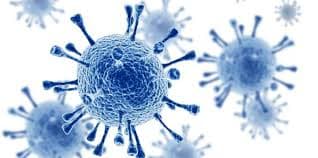
HIV is the virus that enters the body and attacks the immune system. AIDS (Acquired Immunodeficiency Syndrome) is the term used for the most severe phase of HIV infection.
A person is diagnosed with AIDS when their CD4 cell count falls below 200 cells/mm³ (compared to a healthy range of 500 to 1,500 cells/mm³), or when they develop one or more opportunistic infections. With modern antiretroviral therapy (ART), many people living with HIV never progress to AIDS.
How is HIV Transmitted?
HIV can only be transmitted through direct contact with specific body fluids from a person with HIV who has a detectable viral load. These fluids are:
For transmission to occur, these fluids must come into contact with a mucous membrane (found in the rectum, vagina, mouth, or tip of the penis), open cuts or sores, or be directly injected into the bloodstream.
- Blood
- Semen and pre-seminal fluid
- Rectal fluids
- Vaginal fluids
- Breast milk
Common Routes of Transmission
The most common ways HIV spreads from person to person include:
It is worth noting that transmission from parent to child during pregnancy, childbirth, or breastfeeding (perinatal transmission) is also possible but can be almost entirely prevented with appropriate HIV medication during pregnancy and post-natal care.
- Anal or vaginal sex without using a condom or taking preventive medicines (like PrEP or treatment).
- Sharing needles, syringes, or other equipment used to inject drugs, hormones, or steroids.
How HIV does NOT Spread
A major source of stigma is the misunderstanding of how the virus behaves outside the body. HIV is a fragile virus that cannot survive long outside the human body and does not spread through everyday contact.
You cannot get HIV from hugging, shaking hands, closed-mouth kissing, sharing toilets, sharing food or drink, or through saliva, sweat, tears, or insect bites.