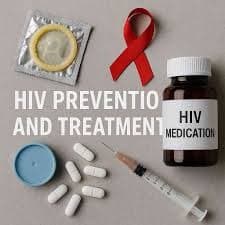
PrEP (Pre-Exposure Prophylaxis)
PrEP is a highly effective medicine taken by people who do not have HIV but are at ongoing risk of exposure. When taken as prescribed, PrEP reduces the risk of getting HIV from sex by about 99% and from injection drug use by at least 74%.
PrEP is available as a daily oral pill or as a long-acting injection. It must be prescribed by a healthcare provider, and regular checkups and HIV testing are required while taking it.
PEP (Post-Exposure Prophylaxis)
PEP is an emergency, short-term medication regimen taken after a single high-risk exposure to HIV. Examples include condom breakage during sex with a partner of unknown status, sexual assault, or sharing injection equipment.
PEP must be started as soon as possible—ideally within 24 hours and strictly within 72 hours of exposure. The treatment consists of taking daily antiretroviral medicines for 28 days. It is not a substitute for regular prevention methods.
Barrier Methods: Condoms
Consistent and correct use of male or female latex/polyurethane condoms during sex creates a physical barrier that prevents contact with infectious body fluids.
Condoms remain a cornerstone of sexual health because they prevent not only HIV but also other sexually transmitted infections (STIs) like gonorrhea, chlamydia, and syphilis.
Treatment as Prevention (U=U)
For people living with HIV, taking antiretroviral therapy (ART) is a powerful tool to protect their partners. When a person takes ART daily as prescribed, the amount of virus in their blood can drop to a level so low that standard tests cannot detect it.
This is known as having an 'undetectable viral load'. Extensive clinical studies have proven that individuals with an undetectable viral load have zero risk of transmitting HIV to their sexual partners. This scientific consensus is called Undetectable = Untransmittable (U=U).